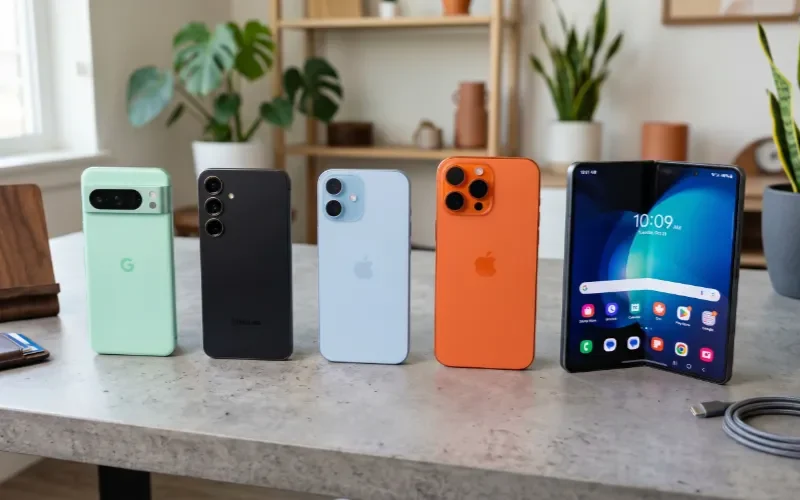

The best phone for most people in 2026 is the Apple iPhone 17 ($829) for iOS users and the Samsung Galaxy S25 (now from $530) for Android fans — both deliver flagship-tier cameras, full-day battery life, and practical AI features without requiring a four-digit budget. For maximum performance, the iPhone 17 Pro Max holds the longest battery life ever tested on any smartphone, while the Samsung Galaxy S26 Ultra ($1,300) leads Android with its innovative Privacy Display and 200-megapixel camera. Budget buyers should seriously consider the Google Pixel 10A at $499 — arguably the best value smartphone available right now.
Picking a new smartphone in 2026 shouldn’t require an engineering degree. But between competing chip architectures, megapixel arms races, AI feature sets that update monthly, and software support timelines stretching to 2033, it’s genuinely hard to know what actually matters. Most reviews don’t help — they treat every phone as “great for its category” and leave you exactly where you started.
So here’s a different approach. After analyzing hands-on testing data across more than a dozen devices — from the $499 Pixel 10A to the $2,000 Galaxy Z Fold 7 — the decisive patterns become clear. The right phone for you almost always comes down to four things: camera system quality, battery endurance, software longevity, and honest value at the price you’re paying. That’s the filter this guide uses.
2026 Best Phones: At-a-Glance Comparison
| Phone | Price | Best For | Main Camera | Battery | SW Updates | Score |
|---|---|---|---|---|---|---|
| Apple iPhone 17 ⭐ | $829 | Best overall iPhone | 48MP wide + 48MP ultrawide | 3,692 mAh | 5+ yrs | 9.1 |
| Samsung Galaxy S25 | From $530 | Best overall Android | 50MP wide, 10MP 3x telephoto | 4,000 mAh | 7 yrs | 9.1 |
| iPhone 17 Pro Max | $1,199 | Premium iOS, max battery | 48MP × 3 lenses | 5,088 mAh | 5+ yrs | 9.2 |
| Samsung Galaxy S26 Ultra | $1,300 | Premium Android power user | 200MP wide, 50MP 5x telephoto | 5,000 mAh | 7 yrs | 9.3 |
| Google Pixel 10A | $499 | Best budget smartphone | Dual rear + Google AI | Full day | 7 yrs | 8.2 |
| Samsung Galaxy Z Fold 7 | $2,000 | Best foldable / multitasking | 200MP main | 4,400 mAh | 7 yrs | 8.5 |
| Google Pixel 10 Pro | $999 | Best all-rounder Android | 50MP wide, 48MP 5x telephoto | 4,870 mAh | 7 yrs | 8.5 |
| Motorola Razr Ultra | From $575 | Best flip phone design | Dual rear improved | Day+ | 3 yrs OS | 8.3 |
The Best Phones of 2026, Category by Category
Best iPhone: Apple iPhone 17 — $829
Here’s what Apple quietly pulled off with the iPhone 17: it closed the gap between the baseline and the Pro in a way that makes the $270 price difference genuinely hard to justify for most buyers. The iPhone 17 earns a 1-120Hz ProMotion display — something previously reserved for Pro models — along with the same Dual Capture and Center Stage camera features as its pricier siblings. It also starts at 256GB of storage out of the box, where the iPhone 16 launched at 128GB at the same price.
In real-world battery testing, the iPhone 17 dropped just 11% during a three-hour streaming session, compared to 14% for the iPhone 16 under the same conditions. The ultrawide camera jumps from 12 megapixels to 48 — a genuine upgrade for landscape and architectural photography. The design is nearly identical to last year’s model, and Apple Intelligence still has rough edges in day-to-day use. But as an all-purpose daily driver at this price? Nothing in the iOS lineup competes with it.
Best Android Phone: Samsung Galaxy S25 — From $530
The Galaxy S25 proves that “consistent” isn’t the same as “boring.” It runs the same Snapdragon 8 Elite chip and 12GB of RAM as Samsung’s pricier S25 Plus and Ultra — meaning you’re not sacrificing raw performance to save a few hundred dollars. AI features like Audio Eraser, AI Select, and deeper Gemini integration span the entire S25 lineup, not just the flagship tier.
Battery life is reliable, cameras deliver true-to-life results across lighting conditions, and One UI remains one of the better-optimized Android skins available. With the S26 now carrying a $100 price hike and minimal hardware changes, the discounted S25 has quietly become one of the sharpest value plays in the Android market right now. If you’re on the S24, there’s no rush. Anyone else? Hard to argue with this phone.
Best Premium iPhone: Apple iPhone 17 Pro Max — $1,199
The iPhone 17 Pro Max has the best battery life of any smartphone CNET has ever tested. After a full day of heavy use — including gaming, video calls, and streaming — it consistently sat above 22% charge. That margin changes how you think about carrying a charger entirely.
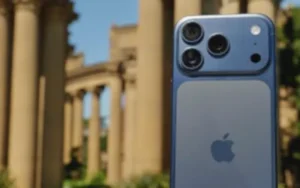
Apple also rethought the design from the ground up. The “camera plateau” running edge-to-edge across the back replaces the square camera bump of previous Pro models. It’s bold, polarizing, and deliberately loud — especially in Cosmic Orange. The new Center Stage selfie camera captures 18-megapixel horizontal selfies even when you’re holding the phone vertically, which sounds like a gimmick until it saves a group shot. The 48-megapixel 4x telephoto takes sharper, more detailed portraits than the 16 Pro’s 5x lens did, despite the shorter focal reach.
If you’re upgrading from an iPhone 14 Pro or older, this is a genuine step-change — not just an incremental spec bump.
Best Premium Android: Samsung Galaxy S26 Ultra — $1,300
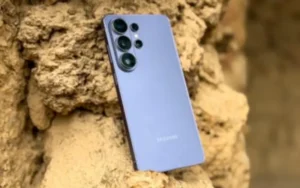
The S26 Ultra doesn’t reinvent the Android flagship formula, but the Privacy Display is a standout hardware addition. It lets you black out your screen selectively — for specific apps like your banking app or email, your lock screen, or just incoming notifications — all software-toggled. Unlike a $10 screen protector from Amazon, you get privacy exactly when you want it, without permanently sacrificing brightness or display quality.
The 200-megapixel camera system carries over from the S25 Ultra, and the new Horizontal Lock video feature keeps footage level even as you rotate the phone a full 360 degrees. At 7.9mm thick and 214 grams, it’s the thinnest and lightest Ultra yet. Battery life exceeds a day and a half on a single charge, and 60-watt wired charging means you’re not waiting long when you do plug in.
For power users who want the S Pen, the best Android camera system available, and a device that genuinely doesn’t need nightly charging — this earns its price.
Best Budget Phone: Google Pixel 10A — $499
At $499, the Pixel 10A punches well above its price class — primarily through Google’s computational photography pipeline, which keeps camera quality competitive with devices costing twice as much. It supports AirDrop-style file sharing with iPhones through Android’s QuickShare, making it a smart option for anyone switching from iPhone without wanting to lose that cross-device convenience. Seven years of OS and security updates round out a package that’s difficult to beat at this price. The tradeoffs — a slower Tensor processor and no telephoto lens — won’t matter for most everyday users.
Best Foldable: Samsung Galaxy Z Fold 7 — $2,000
At 4.2mm when unfolded, the Z Fold 7 is thinner than most standard smartphones on the market. The wider 6.5-inch cover screen finally makes this feel like a phone you’d actually want to use while closed — not just a compromise you tolerate before opening it. Inside, the 8-inch display handles three simultaneous apps, and the 200-megapixel main camera matches the S25 Ultra shot-for-shot in quality.
The $2,000 price is significant and real. But for multitaskers who want a pocket-sized tablet without sacrificing camera performance, nothing else in the market delivers quite like this right now.
How to Pick the Right Phone: 5-Step Decision Framework
Step 1: Anchor to one non-negotiable feature. Camera quality, battery endurance, screen size — identify the thing you’d genuinely regret not having, then filter from there. Don’t try to optimize every variable at once. The best all-rounder for someone else may be the worst choice for your specific daily routine. Start with your dealbreaker and work outward.
Step 2: Set a budget ceiling, then look one tier down. The phone sitting $150 below your maximum usually covers 90% of the same ground. The Galaxy S25 versus the S26 right now is the clearest current example. You’re paying a premium for marginal hardware gains when the discounted prior model runs the latest Android with full AI feature support.
Step 3: Check the software update commitment before you commit. Google and Samsung guarantee seven years of OS and security updates. OnePlus commits to four. If you keep phones for three years or longer — and most people do — this difference means you’ll either have a fully supported device in 2031 or an unpatched one. That’s a real security and usability gap, not marketing fine print.
Step 4: Handle the phone in person before buying. Size, weight, and in-hand feel are deeply personal. The iPhone 17 Pro Max weighs 233 grams; the Galaxy S25 weighs 162 grams. Those aren’t similar objects. A spec sheet cannot communicate how a phone sits in your pocket during a three-hour workday or feels during a long phone call.
Step 5: Factor in ecosystem switching costs honestly. Moving from iOS to Android means leaving iMessage, FaceTime, and Apple app subscriptions behind — and vice versa. The best Android phone in the world is still the wrong choice if half your household communicates through iMessage and you’d lose those features permanently.
Pro Tips From Extended Testing
→ Buy at launch or during major sale events. Trade-in values peak in the first four to six weeks after a new phone releases. That window can cut your effective out-of-pocket cost by hundreds of dollars on flagship devices — sometimes covering the full upgrade cost when stacked with carrier promotions.
→ 256GB is the new practical minimum. High-resolution video files and AI-processed photo libraries fill storage faster than most people expect. If a phone ships at 128GB base and you plan to keep it for three-plus years, upgrade the storage tier at purchase. Your future self will thank you.
→ Don’t overlook last year’s Pro models. The iPhone 16 Pro fully supports iOS 26, runs every Apple Intelligence feature, and now sells at a steep carrier discount. The “latest” phone and the best value are rarely the same device in the same release cycle.
→ Foldable IP ratings are not created equal. The Galaxy Z Fold 7 and Razr Ultra carry IP48 ratings — adequate for rain and light splashes, not submersion. The Google Pixel 10 Pro Fold’s IP68 rating is the standout exception in the foldable category this year. Know the difference before assuming protection.
→ AI features follow software, not hardware. Many Galaxy S25 AI capabilities are already rolling to older Samsung devices via One UI updates. Don’t upgrade a perfectly functional phone based solely on AI features you haven’t yet tried or confirmed you actually need.

Frequently Asked Questions
The smartphone market in 2026 is genuinely competitive across every price tier in a way it hasn’t been for years. Apple closed the gap between its base and Pro models. Samsung’s discounted S25 undercuts its own successor on value. Google’s Pixel line delivers seven-year software commitments at prices that would have bought you a mid-range device two generations ago.
Whether you’re spending $499 or $2,000, use the five-step framework above, filter by what you’ll actually use every day, and don’t let megapixel counts or benchmark numbers make the decision for you. The best phone is almost always the one that fits how you actually live — not the one with the highest number on the spec sheet.